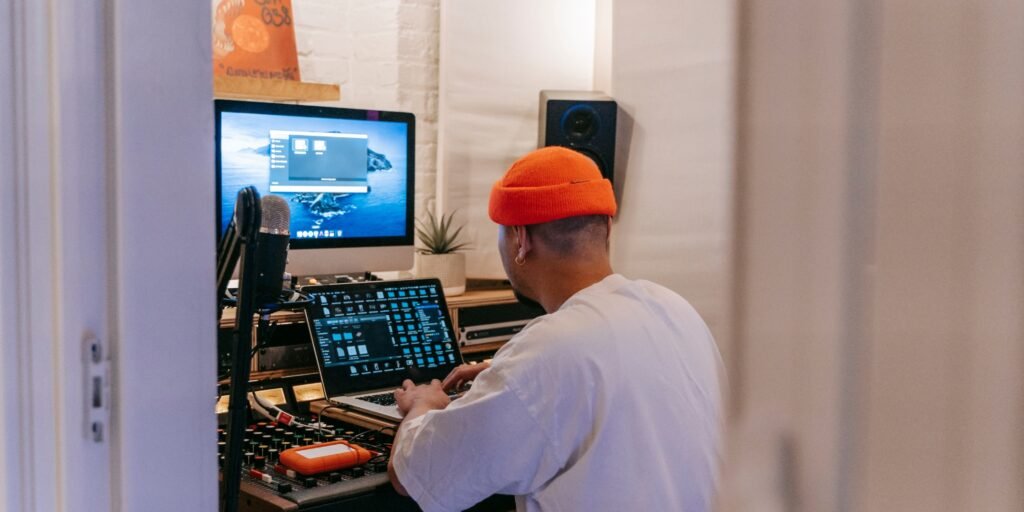
In the ever-evolving landscape of music production, technology plays a pivotal role in shaping the industry's future. One of the most exciting and controversial developments in recent years is the integration of Artificial Intelligence (AI) and automation into music production processes. While some view it as a groundbreaking leap forward, others express concerns about the impact on creativity and human input. In this blog post, we will explore the role of AI and automation in music production, its potential benefits, and the challenges it presents to producers and artists.
AI in Music Composition
AI-driven music composition is a game-changer for many artists and producers. AI algorithms can analyze vast datasets of existing music and generate original compositions, creating melodies, harmonies, and even lyrics. This capability saves time and sparks creativity. For musicians, it can be an endless source of inspiration, allowing them to explore new musical horizons.
1.Automation in Music Mixing and Mastering
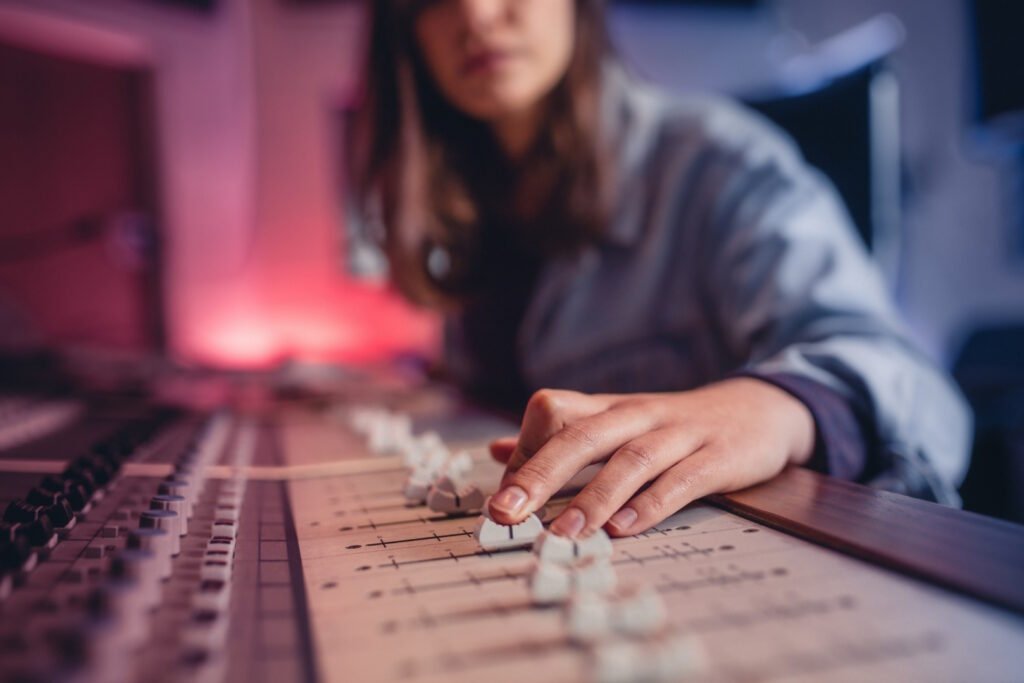
Automation is another area where technology is transforming music production. With the help of digital audio workstations (DAWs), producers can automate repetitive tasks in mixing and mastering, such as adjusting levels, panning, and applying effects. This automation streamlines the production process, ensures consistency, and frees up time for more creative aspects of music production
2.Challenges and Controversies
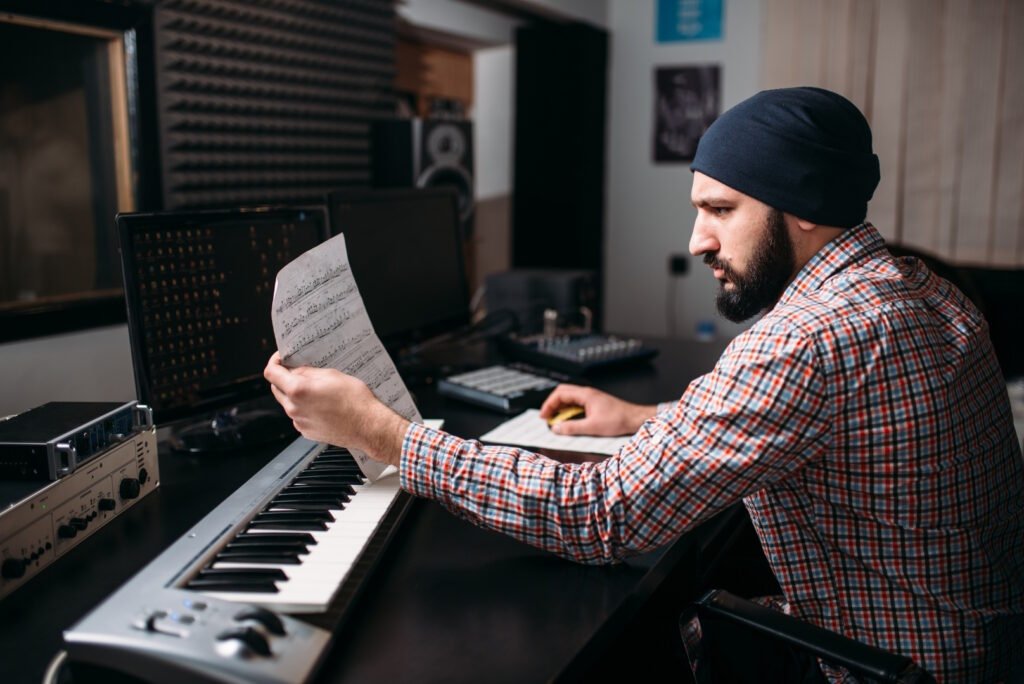
Despite the promise of AI and automation, there are significant challenges and controversies in their adoption. Many worry about the potential loss of human touch and creativity in music production. AI-generated compositions, for example, may lack the emotional depth that human artists infuse into their work. There are also concerns about job displacement within the music production industry as automation takes over certain roles.
3. Balancing Human and AI
The future of music production may not be an "either-or" scenario when it comes to human and AI involvement. Instead, it could involve a symbiotic relationship where AI and automation handle repetitive tasks, leaving artists and producers with more time to focus on creativity and innovation. Artists can collaborate with AI to enhance their work, rather than replace it.